Pipes, water and gas lines
Repiping older Raleigh homes with new copper or PEX supply lines
Leaks keep popping up in different places, the water runs rusty or weak, or an inspector flagged the old supply pipes as galvanized or polybutylene.
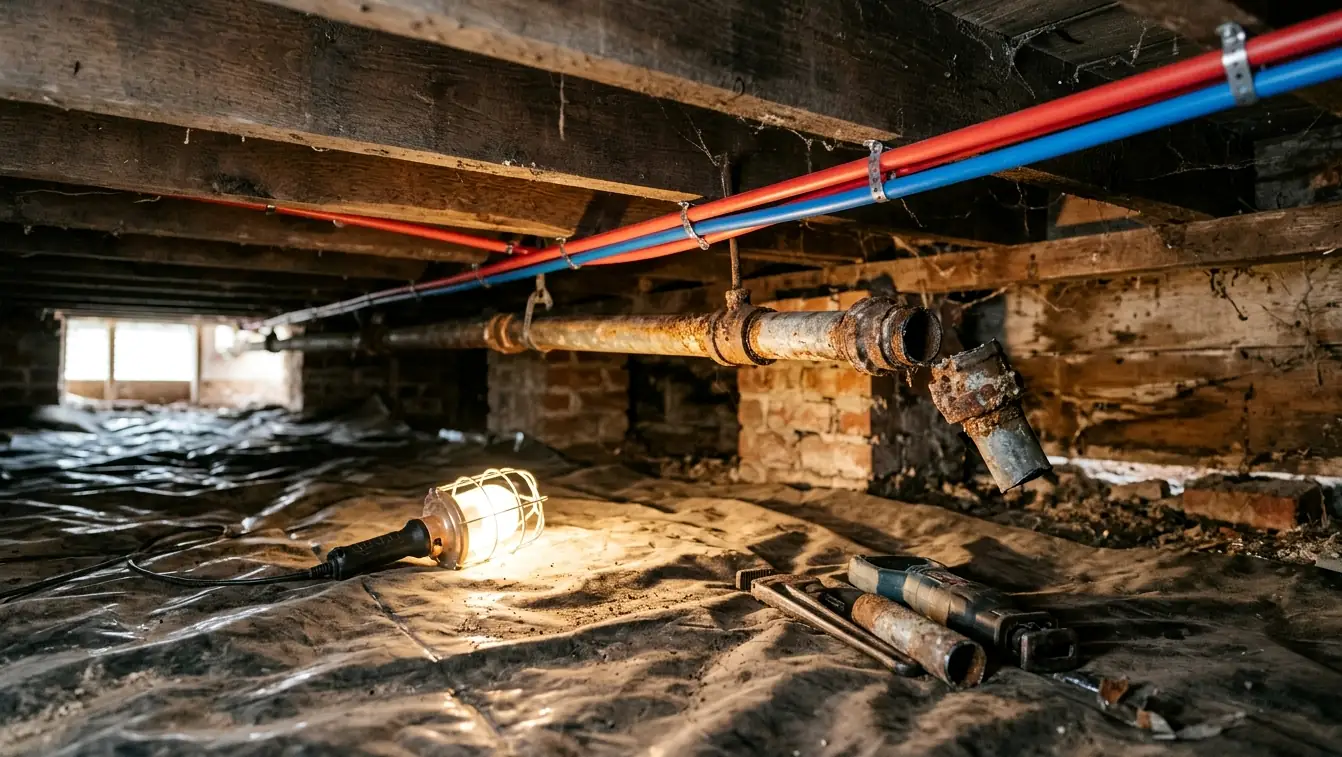
First step on arrival: walk the house
A whole-house repipe replaces every water supply line in the home, from the main shut-off to each fixture, in one planned job. It is the answer when the pipes themselves are the problem: galvanized steel that has rusted shut inside, gray polybutylene that can fail without warning, or older copper with pinhole leaks showing up in more than one spot. Fixing one leak at a time on pipe like that tends to mean the next leak is already forming.
Serenity Plumbing repipes homes with PEX or copper, chosen for your house, your budget and how long you plan to stay. Most of the work happens through crawl spaces, attics and small wall openings, and water is restored at the end of each workday. If your concern is polybutylene specifically, our page on polybutylene pipe replacement and the article on polybutylene in Raleigh homes go into more detail.
Signs your house is ready for a repipe
Leaks in several places
Pinhole leaks have appeared in different rooms over a year or two, which points to pipe that is failing everywhere.
Rusty or brown water
Discolored water, especially when a tap first opens, often comes from galvanized pipe rusting from the inside.
Pressure keeps dropping
Flow at showers and faucets has weakened over time as mineral and rust buildup narrows old galvanized lines.
Gray plastic supply pipe
Flexible gray pipe stamped PB, common from the late 1970s to mid 1990s, is polybutylene and prone to sudden failure.
Flagged on inspection
A home inspector or insurer noted galvanized or polybutylene supply lines during a sale, refinance or policy renewal.
Mixed patch repairs
The house has a patchwork of copper, plastic and steel from years of spot fixes, each joint a new weak point.
How Serenity plans and completes a repipe
We begin with a walk-through of every fixture, the water heater, the main shut-off and the crawl space or attic. That tells us where the pipe can run, how many wall openings are needed, and which fixtures share lines. We then lay out a new supply plan, often with a manifold or a cleaner trunk-and-branch layout than the original, and give you a clear price and schedule before work starts.
Most repipes in Raleigh homes run through the crawl space or attic, with new lines dropped into walls through small, neat openings near each fixture. We protect floors and furniture, work one area at a time, and turn water back on at the end of each day. PEX is flexible, resists freeze splits better than rigid pipe, and needs fewer joints. Copper suits homes where owners prefer metal. Each fixture gets a new shut-off valve.
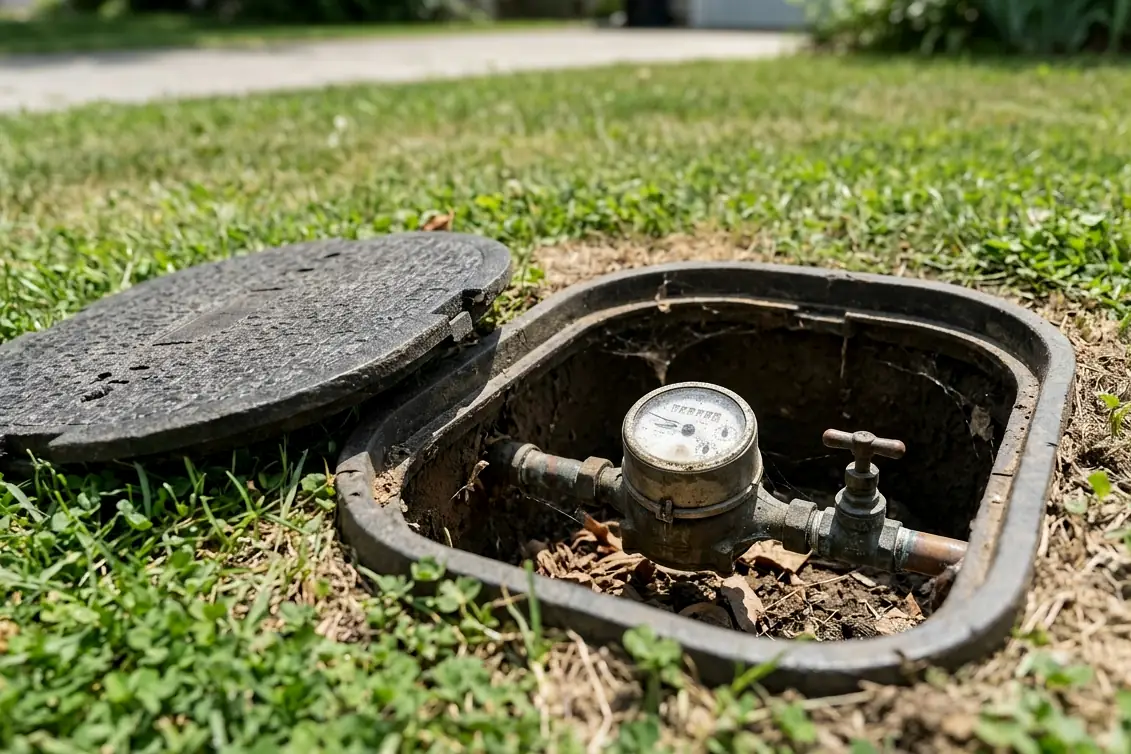
At the end, we pressure test the whole system, flush the lines, and check every fixture for flow and leaks. We often replace the main shut-off at the same time with a quarter-turn valve and check house pressure, adding a pressure reducing valve if it runs above 80 psi. Drywall patching is arranged as part of the plan. To talk about repiping your home, call (919) 557-9058.
How the job goes
Walk the house
We check every fixture, the main shut-off, water heater and access spaces to map where new pipe can run.
Plan the layout
A new supply layout is drawn with pipe type, sizing and wall opening locations, along with the price and schedule.
Run new lines
New PEX or copper is routed through the crawl space or attic and into walls, one section of the house at a time.
Connect fixtures
Each sink, toilet, shower, appliance and the water heater is connected to the new lines with a new shut-off valve.
Test and close up
We pressure test, flush, check every fixture, remove the old pipe where reachable and patch the wall openings.
Old supply pipe we replace in Raleigh homes
In older Raleigh neighborhoods like Hayes Barton, Oakwood and Boylan Heights, many homes still have galvanized steel supply lines, sometimes mixed with copper from later updates. Galvanized pipe rusts from the inside, narrowing until pressure fades and water turns brown. Houses built in the decades after, across north Raleigh, Garner and parts of Cary, were sometimes plumbed with polybutylene, which can split at fittings with no warning.
Raleigh's housing helps with repipes. Many homes sit on crawl spaces, which gives us room to run new lines underneath with fewer wall openings than a slab home needs. Crawl spaces also expose pipes to winter cold, and the occasional hard freeze in the Triangle can split older lines. PEX tolerates freezing better than rigid pipe, which is one reason many Raleigh homeowners choose it for a repipe.
Whole-house repiping cost ranges
| Job | Typical range |
|---|---|
| Small home, one or two bathrooms, PEX | $4,387 to $7,264 |
| Mid-size home, two to three bathrooms, PEX | $6,843 to $10,918 |
| Mid-size home, two to three bathrooms, copper | $9,467 to $15,382 |
| Main shut-off valve replacement during repipe | $187 to $412 |
| Drywall patching of access openings | $487 to $1,264 |
Number of fixtures, pipe type, crawl space or slab construction, and how finished the walls and ceilings are all move the price. A plumber gives your real number after the walk-through. See every range in our plumbing cost guide.
Questions about whole-house repiping
How long does a whole-house repipe take, and will I have water?
Most homes take two to five working days, depending on size and access. We work section by section and restore water at the end of each workday, so you are not without water overnight. There will be short shutoffs during the day while connections are made, and we tell you when to expect them.
Should I choose PEX or copper for my repipe?
Both are proven. PEX costs less, needs fewer joints, flexes around framing and handles freezing better, which helps in crawl space homes. Copper is rigid, long lasting and preferred by some owners. Very acidic well water can be hard on copper over time. We talk through your water source, budget and preferences before you choose.
Do you have to tear open all my walls to repipe the house?
No. In most Raleigh homes with crawl spaces or accessible attics, we run the main lines underneath or above and make small, targeted openings near fixtures. Slab homes need more wall and ceiling access. We mark every planned opening before starting, protect your floors and belongings, and arrange patching of the openings afterward.
Is it worth repiping if I only have one leak right now?
Not always. If the leak is on otherwise sound copper, a repair makes sense. If the house has galvanized or polybutylene supply lines, or you have had several leaks in a short time, that leak is likely the first of many. We look at the pipe type and condition across the home before recommending either option.
Related
Related plumbing services
Polybutylene Pipe Replacement
You found gray plastic pipe stamped PB2110 in the crawl space or behind the water heater, and you want to know how long...
Learn moreWater Line Replacement
The water line to your house has leaked more than once, the pressure keeps fading, or the water comes out tinted after...
Learn moreMain Shut-Off Valve Replacement
A pipe is leaking and the main water valve will not turn, only turns partway, or drips from the stem every time you...
Learn morePressure Reducing Valve Replacement
Faucets bang shut, the toilet fill valve hisses, the water heater relief valve keeps dripping, and a gauge on the hose...
Learn morePlumbing problem right now?
Call and a person answers, day or night. A plumber from our downtown Raleigh office comes to you.