Pipes, water and gas lines
New gas piping for ranges, grills and heaters in Raleigh
You picked out a gas range, a tankless heater or an outdoor grill, and now there is no gas line where the new appliance needs to go.
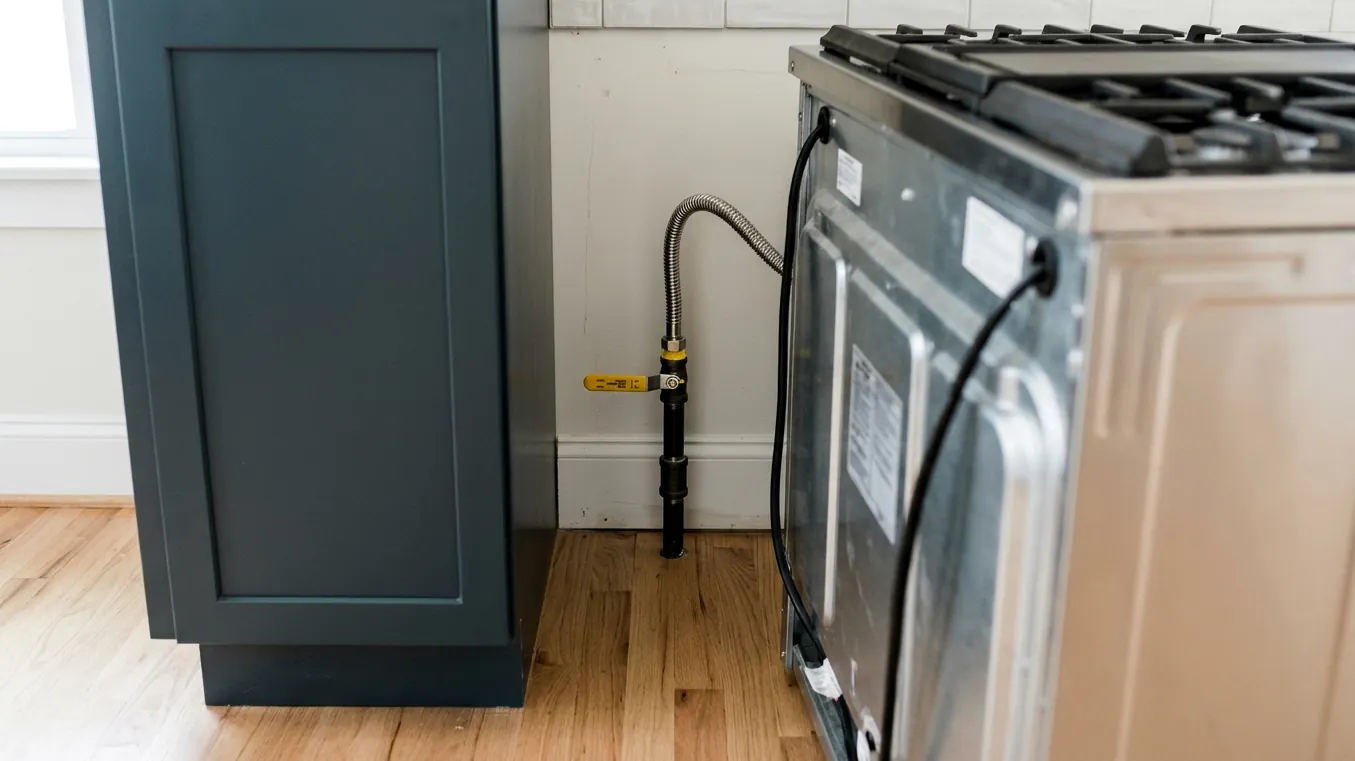
First step on arrival: count the load
Adding a gas appliance is mostly a piping question: is there a line close enough, is it sized to carry the extra load, and what is the safest path from the meter to the new spot. A range swap in the kitchen may need only a short branch. A tankless water heater or a pool heater can need a much larger line all the way back to the meter.
Serenity Plumbing designs and installs new gas piping inside and outside Raleigh area homes. We size the line for every appliance on the system, pull the permit, pressure test the work, and set up the inspection. If you are planning a tankless water heater or a kitchen remodel, call (919) 557-9058 early so the gas run can be planned with the rest of the job.
Projects that usually need a new gas line
Electric to gas range
Moving from an electric range to gas means a new branch to the kitchen, plus a shutoff valve behind the appliance.
Tankless water heater
Tankless units draw far more gas at full fire than a tank heater, so the existing line is often too small.
Outdoor kitchen or grill
A permanent grill, fire table or patio heater connected to house gas ends the cycle of refilling propane tanks.
Gas fireplace insert
Converting a wood burning fireplace or adding a vented gas insert requires a dedicated line and a valve near the hearth.
Gas dryer hookup
Laundry rooms in many Triangle homes were built for electric dryers, so a gas dryer needs a new stubbed branch.
Generator or pool heater
Standby generators and pool heaters are large loads that usually call for their own line sized back to the meter.
How Serenity plans and installs gas piping
Every job starts with a load count. We add up the input rating of each appliance on the system, old and new, then measure the length of the run from the meter. Those two numbers decide the pipe size. An undersized line is the most common problem we see with add-on appliances: the burner flames run weak, or a tankless heater throws error codes when the furnace and range are on together.
Inside the house, we run black iron or CSST, the flexible yellow coated tubing, depending on the route. CSST is easier to pass through finished walls and crawl spaces, and it must be tied into the electrical grounding system as code requires. Each appliance gets its own shutoff valve and a sediment trap where needed. Outdoor runs to grills and generators are buried at proper depth or protected where they leave the house.
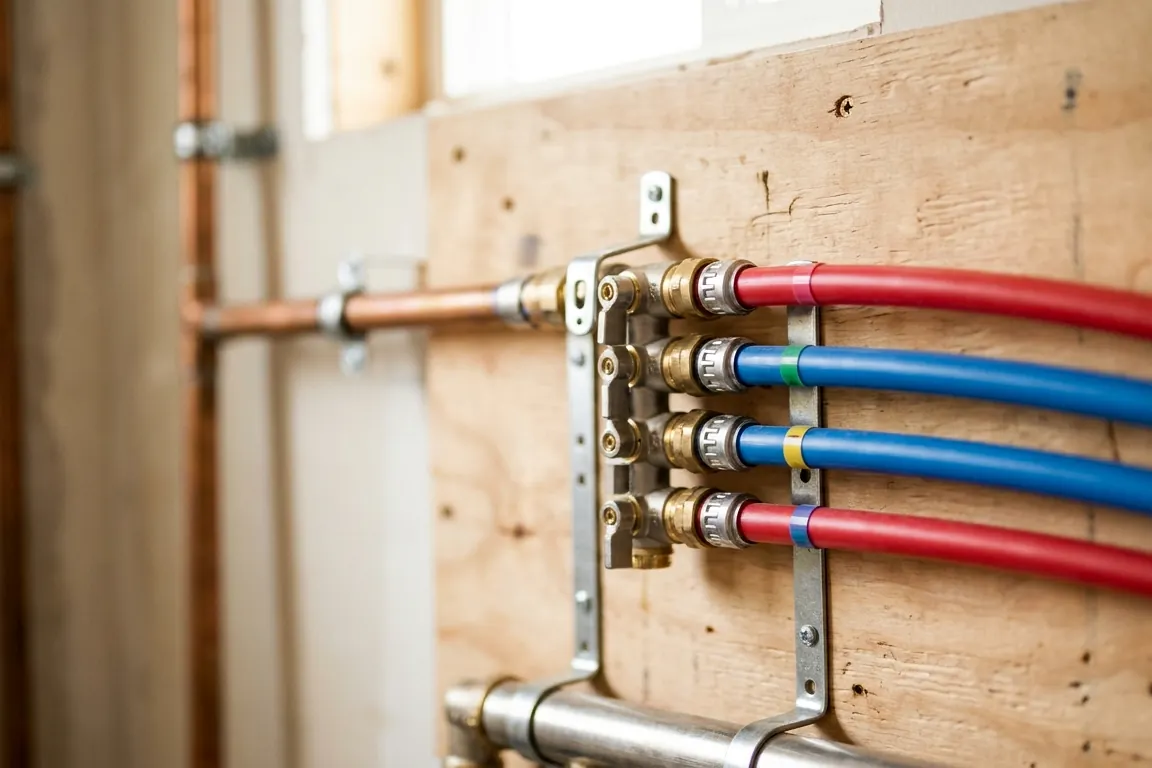
Before anything is lit, the new piping is pressure tested and held long enough to prove it is tight. We then check every joint, purge air from the line, light the appliances, and confirm each one burns with a clean, steady flame. The work is inspected by the local building department. If the utility needs to upgrade the meter for the added load, we tell you early so you can call them.
How the job goes
Count the load
We list every gas appliance in the home, old and new, and add up the total demand the piping must carry.
Plan the route
We measure from the meter to each new appliance and choose black iron or CSST based on walls, crawl space and attic access.
Permit and install
The permit is pulled, then the new piping, shutoff valves and sediment traps are installed and supported along the route.
Pressure test
The new line is pressurized and held, and every joint is checked, before any gas is let into the system.
Light and inspect
We purge the line, light each appliance, check the flames, and meet the inspector to close out the permit.
Gas service in Raleigh and Triangle homes
Natural gas reaches most of Raleigh, Cary, Durham and the larger suburbs, but not every street. Many homes in rural Johnston, Franklin and Chatham counties run on propane from a tank in the yard instead. We work with both. Propane appliances need different orifices and regulators, so if you are switching from propane to natural gas after a main reaches your road, the appliances need conversion as well as new piping.
Crawl space homes are usually the simplest for new gas runs because the line can travel under the floor and rise right behind the appliance. Slab homes in newer neighborhoods in Holly Springs and Morrisville often route gas through the attic, which means summer attic heat shapes the work schedule. Townhomes may have gas meters grouped at one end of the building, which adds length to every run.
Typical gas line installation prices
| Job | Typical range |
|---|---|
| Short branch for a range or dryer | $387 to $846 |
| Gas line for a tankless water heater | $914 to $2,173 |
| Outdoor run to a grill or fire table | $763 to $1,689 |
| Gas fireplace line with hearth valve | $537 to $1,236 |
| Generator or pool heater line | $1,284 to $3,467 |
Run length, pipe size, how many walls and floors we pass through, and whether the meter needs an upgrade move the price. Permit fees vary by town. See every range in our plumbing cost guide.
Questions about gas line installation
Can my existing gas line handle a new tankless water heater?
Often it cannot. A tank heater might use a modest amount of gas, while a whole-house tankless unit at full fire can need several times that. If the line is too small, the heater starves when the furnace runs. We measure the run and add up every appliance before giving you an answer, and sometimes only part of the line needs to be upsized.
Is CSST yellow tubing as safe as black iron pipe?
When it is installed and grounded correctly, CSST is an accepted gas piping material and is common in Triangle homes. The grounding step matters because it helps protect the tubing from electrical surges, including nearby lightning. Black iron is still a good choice for exposed runs. We pick the material by route and explain the reasons on your job.
Do I need a permit to add a gas line in Wake County?
Yes. New gas piping in North Carolina needs a permit and an inspection, whether the home is in Raleigh, Cary, an unincorporated part of the county or another Triangle town. The inspector checks the pressure test, the materials and the appliance connections. We pull the permit and meet the inspector, so you do not have to sort out the paperwork yourself.
What should I do if I smell gas near new or old piping?
Leave the house first and do not touch light switches, start a car in an attached garage, or use a phone inside. From outside, call your gas utility or 911. For most of the Triangle that is PSNC, the Dominion Energy gas utility, which now operates as Enbridge Gas North Carolina. After they make it safe, call us to repair the line.
Related
Related plumbing services
Gas Line Repair
You noticed a rotten egg odor near the water heater or the yard, the utility shut off the meter, and now the house has...
Learn moreTankless Water Heater Installation
You want endless hot water and a freed-up closet or garage corner, but you are not sure your gas line, venting and...
Learn moreAppliance Hookups
You have a new dishwasher, refrigerator or washer sitting in the driveway, and the connections behind it need to be...
Learn moreWater Heater Replacement
Water is seeping from the bottom of the tank, or the heater is old enough that another repair no longer makes sense...
Learn morePlumbing problem right now?
Call and a person answers, day or night. A plumber from our downtown Raleigh office comes to you.