Water heaters
Getting hot water back on fast in Raleigh homes
The shower ran cold this morning, the tank is making popping noises, or there is a puddle forming around the base of the water heater.
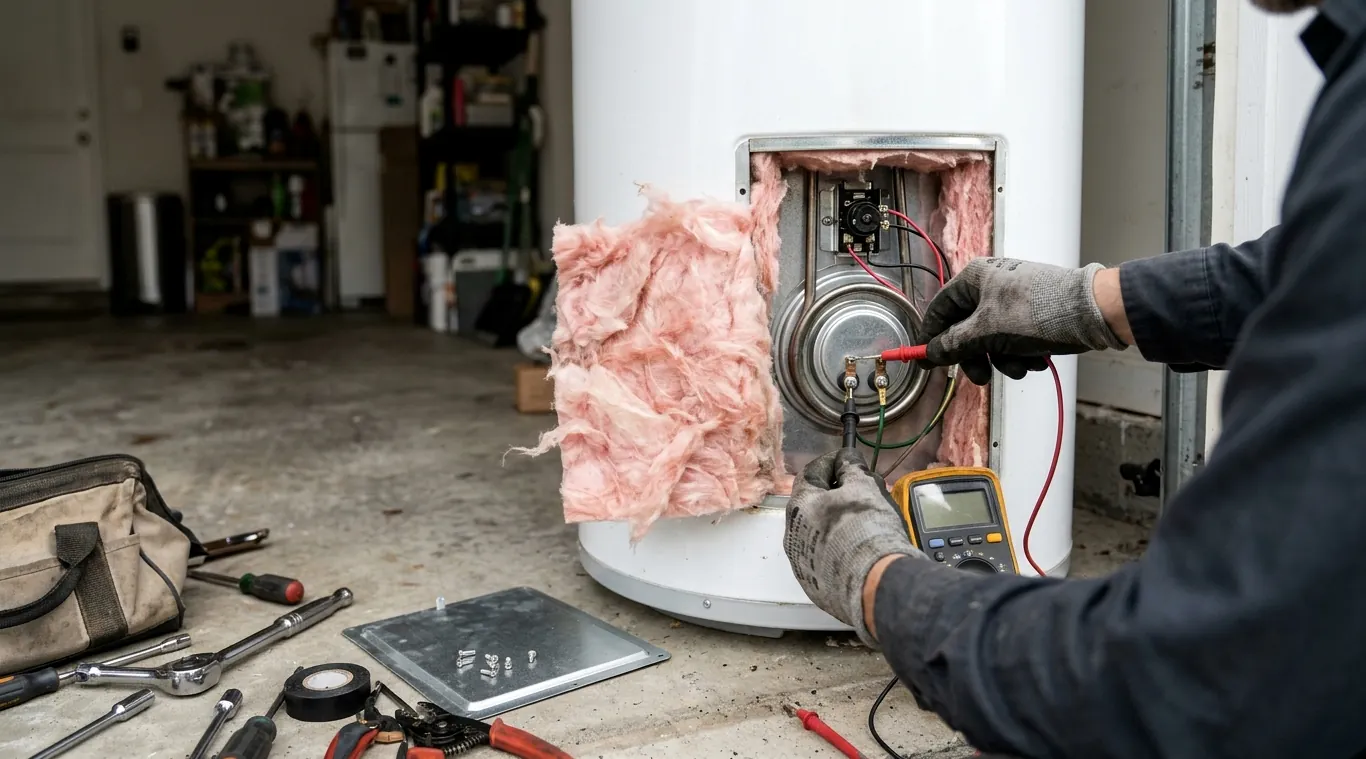
First step on arrival: check the basics
Most water heater failures come down to one part. On electric tanks, it is usually a burned-out heating element or a failed thermostat. On gas tanks, it is often the thermocouple or flame sensor, the igniter, or a gas control valve that has stopped responding. These parts can be replaced in a single visit, and a repair is often the better choice when the tank itself is not leaking and is not near the end of its life.
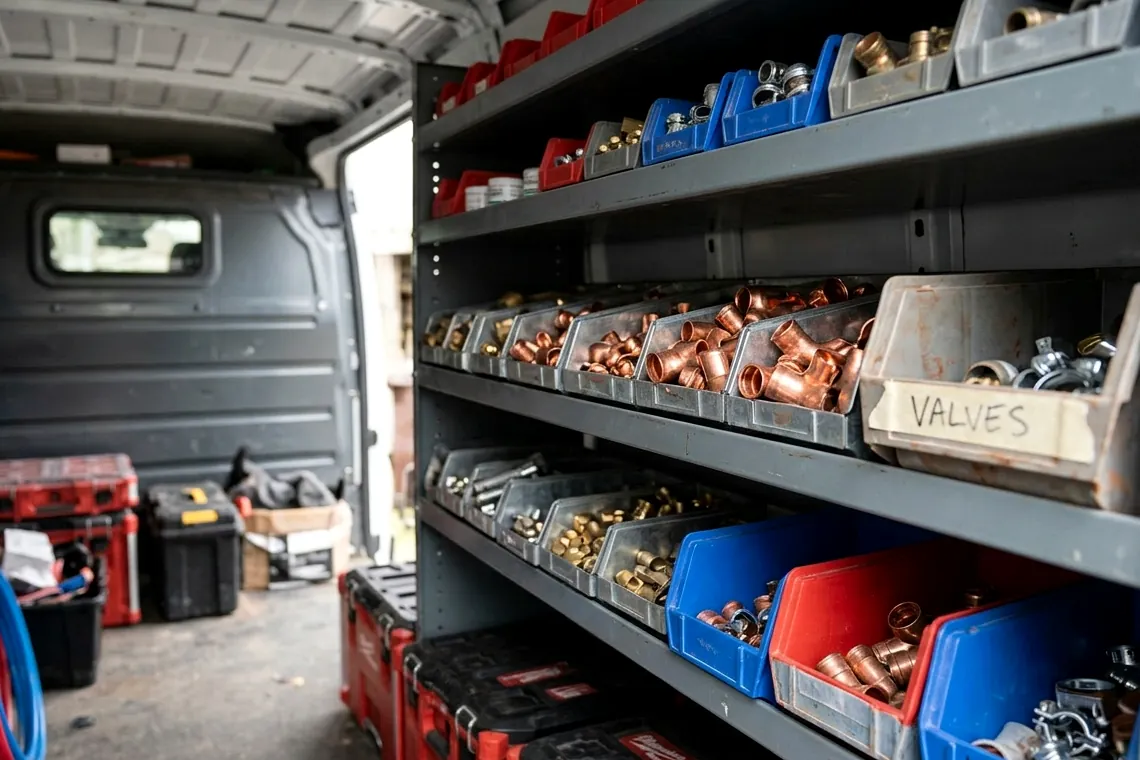
Serenity Plumbing carries common elements, thermostats, thermocouples and valves on the truck so most repairs are finished the same day. We also check the temperature and pressure relief valve, the anode rod and the sediment level, because those tell you how much life the tank has left. If the tank is leaking from the shell or is old enough that a repair would not be worth it, we explain water heater replacement options instead.
When your water heater needs a repair visit
No hot water at all
Every faucet runs cold, which on electric tanks often means a tripped high-limit switch and on gas tanks a pilot or ignition problem.
Hot water runs out fast
Showers turn lukewarm after a few minutes, usually from a failed lower element, a broken dip tube or heavy sediment.
Popping or rumbling
Loud pops from a gas tank as it heats mean a layer of sediment on the bottom is trapping water and boiling it.
Water at the base
A wet floor might come from the drain valve, a fitting or the relief valve, which can be fixed, or from the tank itself.
Relief valve dripping
Water coming from the T&P discharge pipe points to excess temperature, high pressure, or a worn valve that needs replacing.
Rusty or smelly water
Brown hot water or a rotten egg smell from hot taps usually means the anode rod is spent or reacting with the water.
How Serenity diagnoses and repairs water heaters
We test before we replace anything. On electric tanks, that means checking power at the thermostat, measuring each element's resistance, and confirming the high-limit switch is not tripping for another reason. On gas tanks, we watch the ignition sequence, check the thermocouple or flame sensor output, inspect the burner and flue, and look for signs of poor draft. Guessing at parts wastes your money and leaves the real fault in place.
Once the cause is clear, most repairs take an hour or two. Elements are replaced with the tank drained below that level, thermostats are set to a safe temperature, and gas parts are installed and tested for leaks. We flush sediment when it is affecting performance and replace a failed drain valve while the tank is empty. A worn relief valve is replaced, never plugged or capped.
Before we leave, we check the whole installation: venting, gas connection, discharge pipe routing, and whether house water pressure is high enough to stress the tank. Pressure above 80 psi shortens tank life, and a pressure reducing valve may be the real fix. If you are out of hot water tonight, call (919) 557-9058. We answer 24/7 and send our own plumber.
How the job goes
Check the basics
We confirm power or gas supply, the breaker or pilot status, and the thermostat setting before testing any internal parts.
Test components
Elements, thermostats, thermocouples, igniters and gas valves are each tested with meters, so only the failed part gets replaced.
Make the repair
The faulty part is swapped, with the tank partly drained when needed, and connections are tested for leaks before refilling.
Flush and inspect
We flush sediment if it is hurting performance and check the anode rod, relief valve and drain valve for wear.
Verify hot water
We run the heater through a full cycle, confirm outlet temperature at a faucet, and explain how much life the tank likely has.
Water heater problems common in Raleigh homes
Where your water comes from shapes how a tank wears. Homes on City of Raleigh Public Utilities, Cary or Durham water get treated surface water, and tanks there still collect sediment over the years, mostly from the tank's own corrosion and from minerals that settle out as water is heated. Homes on private wells in rural Wake, Johnston and Franklin counties can see harder water, iron and sulfur, which wear anode rods faster and cause the rotten egg odor people call us about.
Location matters too. Many older Raleigh houses keep the water heater in a crawl space, a hall closet or a utility porch, where a slow leak can go unnoticed for weeks. Newer homes in places like Apex and Wake Forest often have tanks in the garage or the attic, where a failed drain pan or a missing pan can turn a small leak into ceiling damage.
What water heater repairs usually cost
| Job | Typical range |
|---|---|
| Diagnostic visit | $97 to $189 |
| Replace electric element and thermostat | $218 to $437 |
| Replace thermocouple or flame sensor | $167 to $328 |
| Replace gas control valve | $384 to $712 |
| Replace temperature and pressure relief valve | $173 to $296 |
| Sediment flush and anode rod replacement | $238 to $463 |
Fuel type, part availability and access to the tank (attic, crawl space or tight closet) move the price. Your plumber gives the actual cost after testing the unit. See every range in our plumbing cost guide.
Questions about water heater repair
Is it worth repairing a water heater that is ten years old?
It depends on the tank. If the shell is dry, the anode rod has not been spent for years, and the failed part is inexpensive, a repair can buy more time. If the tank shows rust at the seams, heavy sediment or a leak from the body, that money is better put toward a new unit. We give you our honest read after testing.
Why does my electric water heater keep tripping its reset button?
The high-limit switch trips when water gets too hot, usually because a thermostat has stuck on or an element has shorted to the tank. Pressing reset brings hot water back for a while, but the fault returns. Testing the thermostats and elements finds the cause, and replacing the bad part stops the cycle.
My pilot light keeps going out. What causes that?
On older gas tanks, the usual cause is a weak thermocouple that no longer tells the gas valve the pilot is lit. A dirty pilot tube, a draft from a nearby door or a blocked flue can also put it out. Newer tanks with flammable vapor sensors may shut down if the air intake screen is clogged with lint or dust.
Should water be dripping from the pipe on the side of my tank?
No. That pipe drains the temperature and pressure relief valve, and steady dripping means the valve is opening because of high temperature or pressure, or that the valve itself is worn. Do not cap or plug it. Call a plumber to test the valve and check house water pressure and the thermostat setting.
Related
Related plumbing services
Water Heater Replacement
Water is seeping from the bottom of the tank, or the heater is old enough that another repair no longer makes sense...
Learn moreTankless Water Heater Repair
Your tankless heater is flashing an error code, shutting off mid-shower, or sending bursts of cold water between hot...
Learn morePressure Reducing Valve Replacement
Faucets bang shut, the toilet fill valve hisses, the water heater relief valve keeps dripping, and a gauge on the hose...
Learn moreLeak Detection
Your water bill jumped, the meter keeps spinning with everything off, or a patch of floor feels damp, but there is no...
Learn morePlumbing problem right now?
Call and a person answers, day or night. A plumber from our downtown Raleigh office comes to you.