Service area
Sanford plumbing for older city streets and newer Lee County homes
Sanford grew as a brick-making and rail town where US-1 meets US-421, and many older houses here still carry the cast iron, clay and galvanized pipe they were built with.
- Area
- Sanford, NC
- ZIP codes
- 27330, 27332
- County
- Lee County
- Office
- 301 Fayetteville St, Raleigh
- Phones
- Answered 24/7
Sanford is the Lee County seat, southwest of Raleigh on a straight run down US-1 past Apex and New Hill. Because it sits near the far edge of our area, we tell you honestly when a plumber can reach you. Serenity Plumbing sends its own plumbers to Sanford, answers the phone 24/7, and prices the work once the plumber has seen the problem.
Older sewer pipe is one of the most common reasons we head to Sanford. Clay laterals crack and shift, cast iron rots along the bottom, and tree roots fill the gaps, so a slow tub becomes a backup. We usually start with a camera inspection so you can see the pipe yourself before choosing between a spot repair and full sewer line replacement. Call (919) 557-9058 whenever the drains stop.
Brick, clay soil and the pipes under Sanford
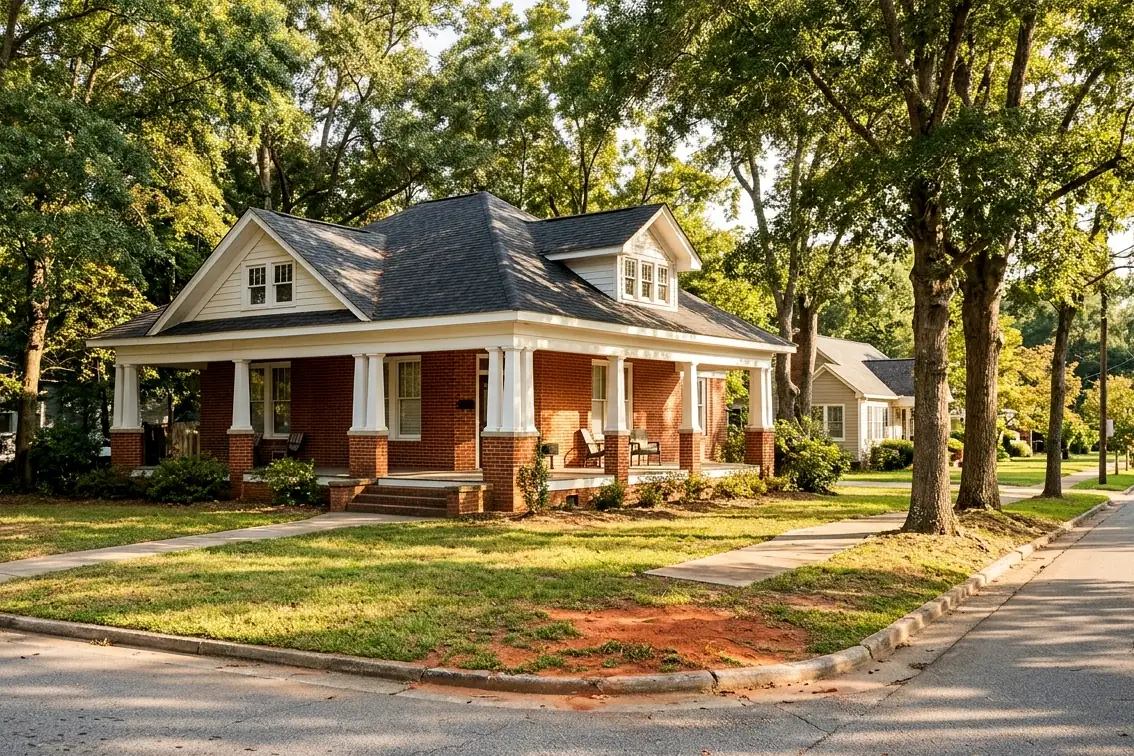
The historic blocks near downtown Sanford, the Rosemount and McIver Park area and Jonesboro Heights hold houses from the early 1900s through the 1950s, many built of locally made brick over crawl spaces. Their plumbing has usually been patched over the decades, so it is common to find galvanized lines feeding copper, cast iron drains under the floor and clay pipe running to the city sewer. Rusty first draws mean the galvanized is failing.
Ranch homes from the 1960s and 1970s spread out along Horner Boulevard and toward Carolina Trace, and houses from the late 1970s into the mid 1990s may carry polybutylene. Newer subdivisions off US-421 and NC-87 use PEX and PVC, often on slabs. The City of Sanford treats water from the Cape Fear River for homes on its system, while wells and septic stay common in the rural parts of Lee County.
The ground here is the heavy clay of the Deep River basin, which shrinks in dry summers and swells after storms. That movement is hard on old clay laterals and is a big reason sewer repair keeps coming up here. A small leak in a buried supply line can also stay hidden in packed clay for months.
Common calls
What we get called for in Sanford
Cracked clay laterals
Clay sewer pipe under older Sanford yards cracks as the heavy soil shifts between dry spells and soaking rains, letting roots and dirt into the line.
Sewer Line RepairRusty water and low pressure
Pre-1960 houses near downtown Sanford often still run galvanized supply pipe that rusts shut from inside and stains the first water of the morning.
Whole-House RepipingMain line backups
Roots from mature oaks and pecans in the older neighborhoods fill sewer joints until wastewater backs up into the lowest tub or floor drain.
Main Line Clog ClearingPolybutylene in older ranches
Homes built in Sanford from the late 1970s through the mid 1990s may still have gray polybutylene supply that can leak at fittings without warning.
Polybutylene Pipe ReplacementGas water heater swaps
Some older Sanford homes run gas water heaters in closets or garages, and replacing one means correct venting, a safe gas connection and a permit.
Water Heater Replacement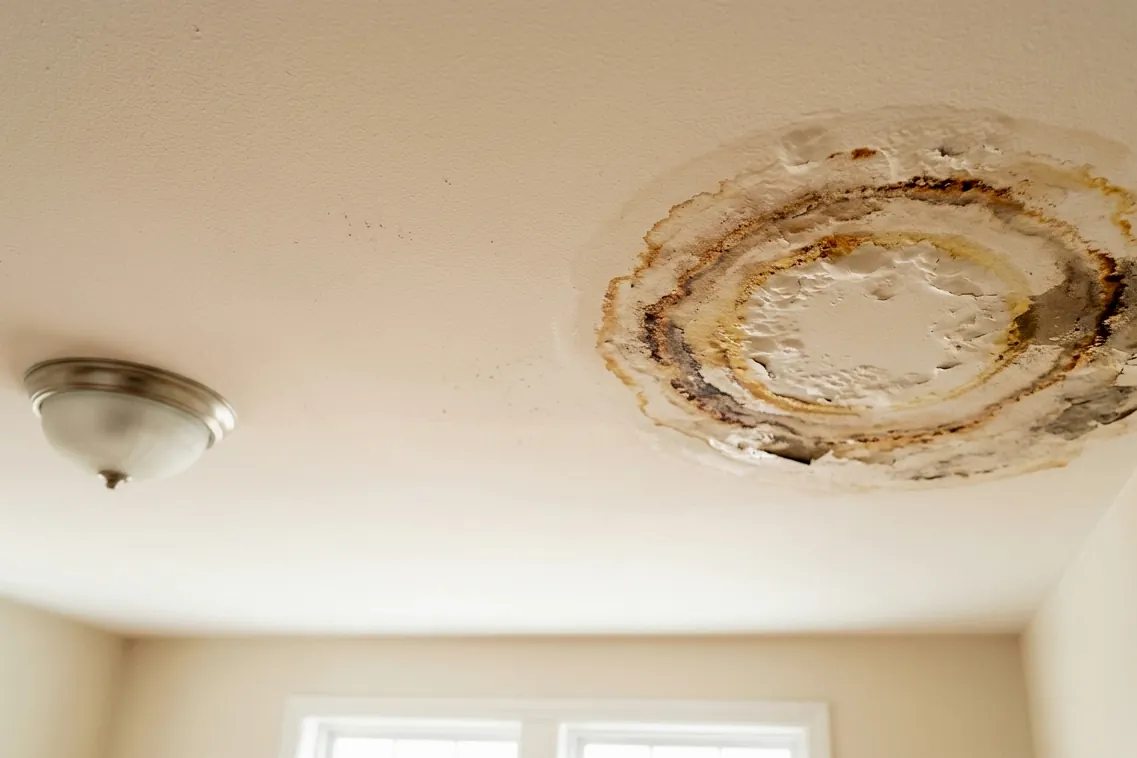
FAQ
Plumbing questions from Sanford
Do you cover homes outside Sanford city limits, like Carolina Trace or Broadway?
Yes. We cover Sanford and the nearby parts of Lee County, including Carolina Trace and the roads toward Broadway and Lemon Springs. Those homes are more likely to have a well, a pressure tank and septic, and our plumbers handle the plumbing tied to all three. Give us the address and we will say when we can arrive.
Why do my Sanford drains slow down every summer and fall?
Roots grow hardest when the clay dries out and trees go looking for water, and the cracks in old clay or cast iron sewer pipe are an easy target. Clearing the line helps for a while, but roots come back. A hydro jetting cleaning followed by a camera look tells you whether a repair would end the cycle.
What does a sewer camera inspection usually cost in Sanford?
In the Sanford area, a camera inspection of a house sewer line typically runs about $187 to $393, depending on access and whether a cleanout already exists. If there is no cleanout, we may suggest adding one so future work is simpler and less messy. The plumber confirms the actual price before starting and shows you the video.
Nearby areas
Need a plumber in Sanford?
Call and a person answers, day or night. A plumber from our downtown Raleigh office comes to you.