Backflow and water quality
Whole-house water filtration matched to Raleigh area water
Your tap water smells like a swimming pool, leaves grit in faucet screens, or comes from a well with an odor or color you would rather not drink.
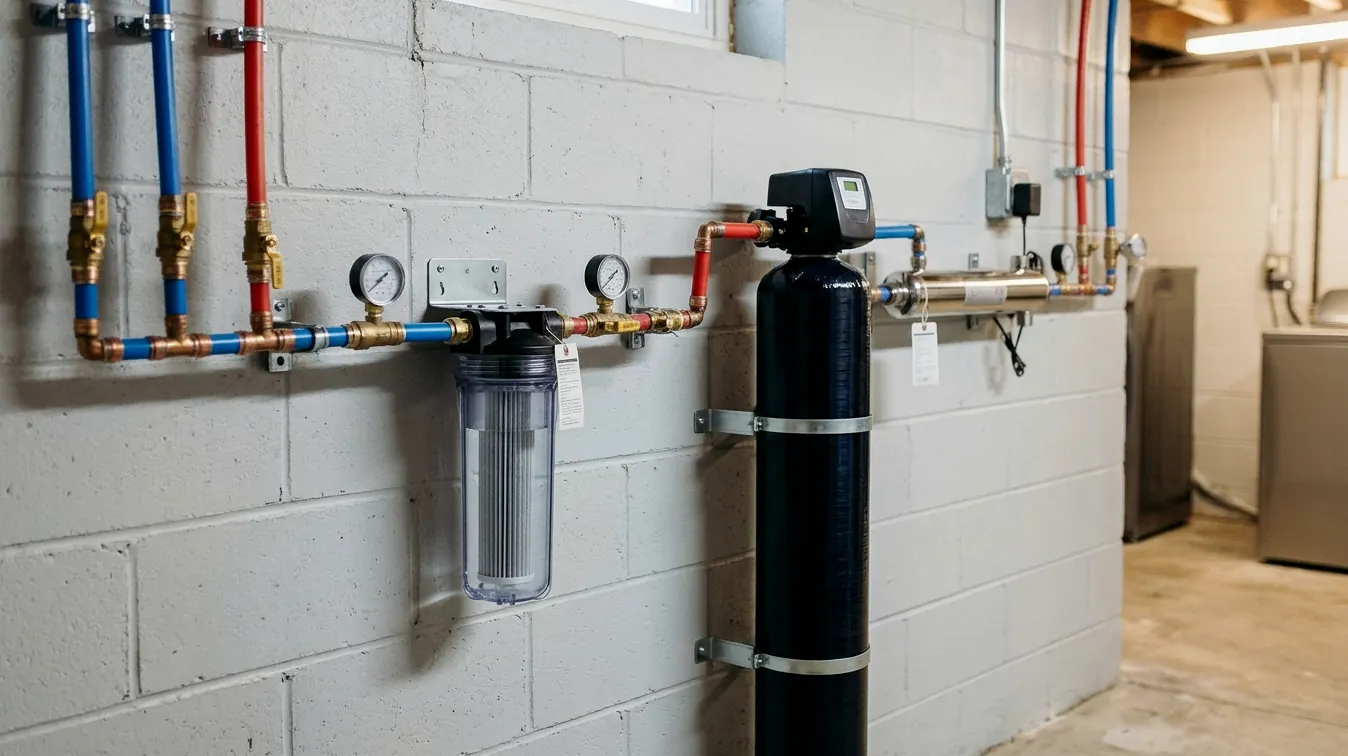
First step on arrival: test your water
A whole-house filter treats water where it enters the home, so every tap, shower and appliance gets the same water. That is different from a pitcher or refrigerator filter, which only treats what you drink. The right system depends on the problem. Sediment filters catch sand and grit. Carbon filters reduce chlorine, chloramine, taste and odor. Specialty media and UV systems address iron, sulfur smell and bacteria on wells.
Serenity Plumbing designs and installs whole-house filtration systems in homes across Raleigh and the Triangle, with its own plumbers doing the work. We start by finding out what is actually in your water and what bothers you about it, then match the system to that. A city water home and a rural well home usually need very different equipment, and we do not sell one setup to everyone.
Reasons homeowners add whole-house filtration
Chlorine smell in showers
Municipal water is disinfected with chlorine or chloramine, and the smell is strongest in hot showers where it vaporizes.
Grit in aerator screens
Sand or fine sediment collecting in faucet screens and toilet fill valves suggests sediment coming in from the main or well.
Rotten egg odor
A sulfur smell, especially from hot water, is common with some well water and sometimes involves the water heater anode rod.
Orange or brown stains
Rust-colored stains in toilets, tubs and laundry point to dissolved iron or manganese, which is frequent in certain wells.
Well water testing positive
A lab result showing coliform bacteria in a private well calls for disinfection and often a UV system afterward.
Filters clogging fast
Under-sink or refrigerator filters that clog in weeks suggest the whole house would benefit from treatment upstream.
How we set up a filtration system
First comes testing. For city water we check chlorine level, hardness and sediment on site. For wells we test on site for iron, hardness and pH, and we recommend a state-approved lab test for bacteria, nitrates and anything else your county health department suggests, since some contaminants cannot be judged at the tap. We look at your flow rate too, because a filter that cannot keep up will drop pressure when two showers run.
For city water, the typical system is a sediment prefilter followed by a large carbon or catalytic carbon tank sized for your household, which handles chlorine and chloramine taste and odor. For wells, we may stack a sediment filter, an iron or sulfur filter, a softener when hardness is high, and a UV light last for bacteria. Order matters: each stage protects the next.
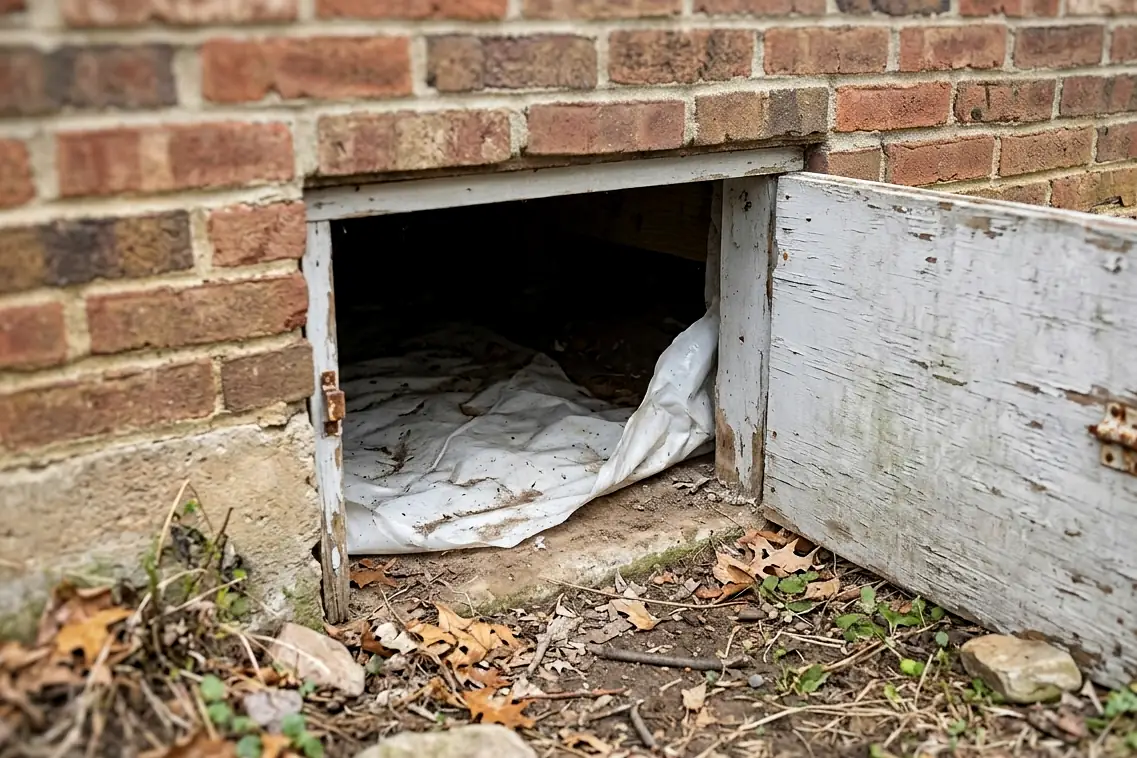
Every system gets a bypass so it can be serviced without shutting off the house, pressure gauges before and after so you can see when filters need changing, and drain connections with an air gap for any backwashing tank. We label each stage, set the backwash schedule, and leave a simple maintenance card with cartridge sizes and replacement intervals taped to the equipment.
How the job goes
Test your water
On-site tests cover chlorine, iron, hardness, pH and sediment, with a lab test recommended for bacteria and nitrates on wells.
Match the system
We pick filter stages for the problems the test found, in the right order, and size them to your household flow rate.
Install at entry
The system goes on the main line after the shutoff or pressure tank, with a bypass and gauges before and after.
Connect drains
Backwashing tanks get a drain line with an air gap, and UV systems get an electrical connection and a sediment prefilter.
Set maintenance
We program backwash cycles, label every stage, and leave a written schedule for cartridges, media and UV lamp replacement.
Filtration for Triangle city water and wells
City water across the Triangle comes from reservoirs and is treated before it reaches you, so most city homes are looking for better taste and less chlorine smell rather than safety fixes. Raleigh, Cary, Durham and OWASA each disinfect their water and publish annual water quality reports you can read. In older neighborhoods like Hayes Barton and Boylan Heights, old galvanized service lines can add rust flakes, which a sediment stage catches.
Private wells are common in rural parts of Johnston County, Franklin, Chatham and Granville counties, and well owners are responsible for their own testing. The Triangle's geology varies a lot from place to place, so one neighbor may have clean water while the next has iron, low pH that eats copper pipes, or a sulfur smell. After heavy summer storms or hurricane remnants, testing a shallow well for bacteria is a good idea.
Typical whole-house filtration costs
| Job | Typical range |
|---|---|
| Sediment prefilter with bypass, installed | $367 to $618 |
| Carbon system for city water, installed | $1,186 to $2,147 |
| Iron or sulfur filter for well water | $1,394 to $2,568 |
| UV disinfection with prefilter, installed | $1,047 to $1,793 |
| Multi-stage well system, sediment to UV | $2,786 to $4,913 |
Which contaminants are present, the number of stages, the size needed for your flow rate and the installation location move the price most. A plumber gives the real number after testing. See every range in our plumbing cost guide.
Questions about whole-house water filtration
Is Raleigh tap water safe without a whole-house filter?
City of Raleigh water is treated and tested to meet federal drinking water standards, and the city publishes an annual water quality report. Most people who add a whole-house system on city water do it for taste, chlorine smell in the shower, or sediment, not for safety. If you have specific health concerns, the water quality report is a good place to start reading.
What is the difference between a softener and a filter?
A softener removes hardness minerals that cause scale by swapping them for sodium or potassium. A filter removes or reduces other things: sediment, chlorine, odors, iron, sulfur or bacteria, depending on the type. They solve different problems and are often installed together on well water. On city water, a carbon filter alone is usually what people are actually looking for.
How often do filter cartridges and media need changing?
Sediment cartridges usually need changing every few months, depending on how dirty the water is; the pressure gauges show when. Large carbon tanks can last several years on city water. UV lamps are typically replaced once a year even if they still glow, since output fades. We leave a written schedule on the equipment so nothing is guesswork.
Will a whole-house filter lower my water pressure?
A correctly sized system should cause only a small pressure drop. Problems start when a filter is too small for the household flow or a cartridge is left clogged. We size systems for your peak use and add gauges so you can see the difference. If pressure is already low, give us a call at (919) 557-9058 and we will check the cause first.
Related
Related plumbing services
Water Softener Installation
White crust is building on your faucets and shower glass, soap will not lather well, and your water heater is getting...
Learn moreWater Line Replacement
The water line to your house has leaked more than once, the pressure keeps fading, or the water comes out tinted after...
Learn moreLeak Detection
Your water bill jumped, the meter keeps spinning with everything off, or a patch of floor feels damp, but there is no...
Learn morePressure Reducing Valve Replacement
Faucets bang shut, the toilet fill valve hisses, the water heater relief valve keeps dripping, and a gauge on the hose...
Learn morePlumbing problem right now?
Call and a person answers, day or night. A plumber from our downtown Raleigh office comes to you.